
Busy households move particles through the air constantly. Every opened door, ceiling fan, pet movement, and quick trip outside brings in fine dust that settles into fabric, flooring, and vents. That is one reason active homes often feel dusty again shortly after cleaning.
Humidity and body oils also change how surfaces hold grime. Kitchen handles, light switches, and bathroom fixtures slowly collect residue from repeated touching throughout the day. Most people notice the dirt only once surfaces start feeling sticky instead of smooth.
Another overlooked issue is noise clutter versus visual clutter. When a home feels loud and active all day, homeowners mentally tune out smaller messes until the buildup suddenly feels overwhelming all at once.Most people expect a busy schedule to make the house a little messier. What surprises homeowners is how differently dirt and clutter start building up once routines become packed. A home that once stayed manageable with basic weekly cleaning suddenly feels impossible to stay ahead of.
The problem is usually not one large mess. It is dozens of smaller interruptions happening throughout the day. Shoes get kicked off in random places. Laundry sits longer before getting folded. Counters become temporary storage spots for backpacks, mail, chargers, and water bottles.
A lot of homeowners try to solve this by cleaning harder on weekends, but that usually creates burnout instead of consistency. The homes that stay manageable during busy seasons are usually the ones built around simpler maintenance habits and fewer friction points.
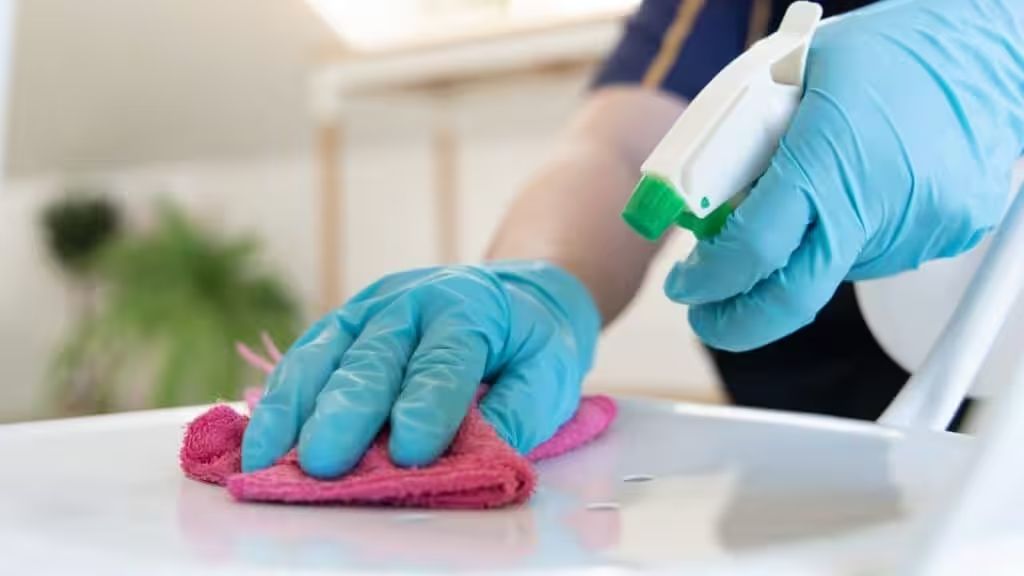
Why Active Homes Collect Dirt Faster
One thing most people do not realize is that activity level affects cleanliness more than square footage does. A smaller home with constant movement can collect more dust and debris than a larger house with less daily traffic.
The Areas That Usually Fall Behind First
Kitchens almost always become the first trouble zone in busy homes because they handle constant short bursts of activity. Quick snacks, rushed meals, coffee cups, lunch prep, and random dishes create buildup faster than traditional cleaning schedules can handle.
Most homeowners wipe counters regularly but overlook grease film that settles on cabinet fronts and appliance handles. Once grease mixes with dust, surfaces become harder to clean with simple wiping alone.
Laundry rooms also become problem areas faster than expected. One delayed load of laundry often creates a chain reaction because clean clothes stay unfolded while dirty clothes continue piling up. Most people think they need more time for laundry when they actually need fewer interruption points.
Living rooms quietly collect a surprising amount of buildup too. Upholstered furniture traps dust, pet hair, food crumbs, and body oils throughout the week even when the room still looks relatively tidy.
Cleaning Systems That Actually Hold Up During Busy Weeks
The most effective routines are usually the ones that require the fewest decisions. If every cleaning session starts with figuring out where to begin, people lose momentum quickly.
One practical approach is separating “maintenance cleaning” from “reset cleaning.” Maintenance cleaning focuses on preventing buildup from spreading, while reset cleaning handles deeper neglected areas when time allows.
Vacuuming technique matters more than many homeowners think. Fast passes mostly remove visible debris while fine grit stays deep in carpet fibers. Slower overlapping rows pull out significantly more dust and reduce how quickly floors start feeling dirty again.
For households already struggling to keep up, recurring maintenance cleaning often helps stop buildup before it becomes exhausting to manage. Smaller consistent cleanings usually reduce stress more effectively than waiting for the home to become overwhelming.
Another overlooked strategy is reducing visual friction. Homes with fewer loose items on counters, tables, and entryways are easier to reset quickly because surfaces can actually be cleaned without moving dozens of objects first.
Why Deep Buildup Changes How a Home Feels
Many homeowners focus only on visible mess while hidden buildup keeps circulating through the house. Dust trapped behind furniture, inside vents, and along baseboards continues spreading particles even after routine cleaning.
Most people also underestimate how much buildup collects on soft surfaces. Curtains, rugs, mattresses, and upholstered furniture absorb dust and allergens slowly over time, which can make rooms feel heavier or stale even after floors are cleaned.
When a house starts feeling impossible to catch up on, a more detailed reset can make regular maintenance easier again. Thorough cleaning removes buildup in areas that daily routines rarely reach and helps the home feel manageable instead of constantly behind.
FAQ
Why does my house feel messy all the time even when I clean regularly?
Busy households create constant small messes that spread faster than people realize. Dirt, clutter, laundry, and dust build up gradually throughout the day, which makes homes feel harder to fully reset.
What cleaning tasks matter most during stressful weeks?
Focus on floors, kitchens, bathrooms, and high-touch surfaces first. These areas affect how clean and comfortable the entire home feels more than smaller cosmetic messes.
Why do active homes seem dustier?
Frequent movement circulates dust through the air constantly. Pets, ceiling fans, open doors, HVAC systems, and fabric surfaces all contribute to faster dust buildup.
How often should busy households deep clean the home?
Most busy homes benefit from a more detailed cleaning every few months, especially in overlooked areas like vents, baseboards, and upholstery where buildup accumulates slowly.
Are recurring cleaning routines better than large weekend cleaning sessions?
Yes. Smaller consistent routines usually prevent buildup more effectively because dirt and clutter are handled before they spread through the entire house.
What is the easiest way to make cleaning feel less overwhelming?
Reducing clutter and simplifying routines usually makes the biggest difference. Homes become easier to maintain when fewer items need constant moving and organizing every day.
A busy household doesn’t have to feel permanently behind. Once routines shift from recovering after messes to preventing buildup, the house gets easier to keep up with, even during your most packed weeks. For Rocklin families juggling work, school, and everything in between, Kings Cleaning offers residential cleaning in Rocklin that takes the heaviest tasks off your list. Contact us to find a schedule that fits.
We invite you to read our related blogs:
- The Importance of Professional House Cleaning Services in Rocklin, CA
- Efficient Cleaning Steps: Create a Cleaning Schedule
- Apartment Deep Cleaning Checklist: Neglected Corners You Always Forget
- The Smart Way to Hire House Cleaning Services Near Me
- What Homeowners Should Know About Cleaning Myths
"*" indicates required fields